Keeping your commercial outdoor furniture in good condition helps protect your investment and keeps your space looking welcoming for customers. With regular care and a few simple routines, you can reduce repair costs and extend the life of your tables and chairs.
This covers practical steps to keep your outdoor furniture performing well throughout the year.
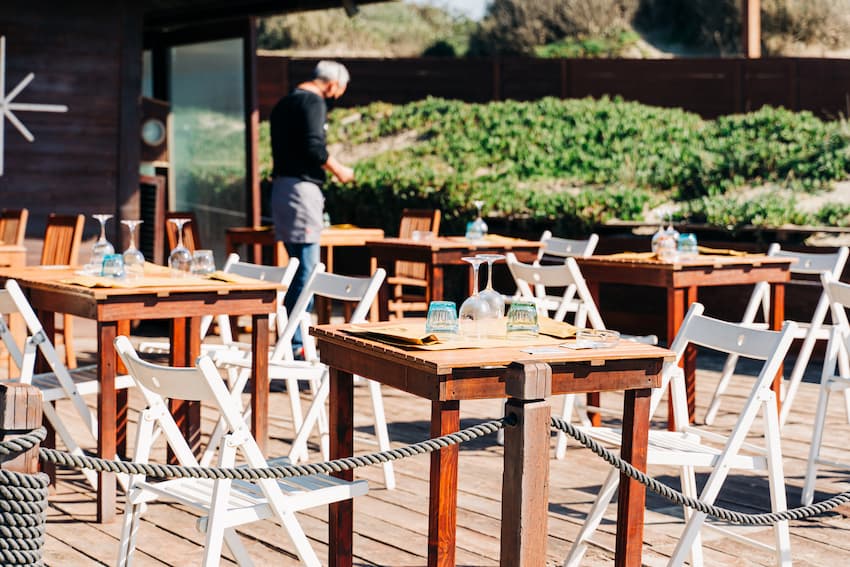
Seasonal Inspection Routine
A regular inspection helps identify small issues before they become costly problems.
Inspect furniture at least once per season, with additional checks during busy periods such as spring and summer.
Check for:
- Fraying or wear on fabric seating
- Rust spots or chipped finishes on metal frames
- Cracks, rot or insect damage on wooden furniture
Addressing these early issues keeps furniture safe, stable and presentable for daily use.
Regular Cleaning Habits
Outdoor furniture is exposed to dirt, weather and general use, so routine cleaning is essential.
Use a soft brush or cloth to remove dust and debris. For tougher marks, a mild soap solution works well without damaging surfaces. Once cleaned, always dry the furniture thoroughly to prevent moisture-related damage.
Material-specific care:
- Aluminium and metal benefit from warm, soapy water and a non-abrasive cloth
- Plastic furniture can handle slightly stronger cleaning solutions for stubborn marks
- Wooden furniture should avoid excessive water and be dried quickly
Consistent cleaning keeps colours looking fresh and reduces wear.
Protecting Metal and Wood Finishes
Applying protective treatments helps maintain both appearance and durability.
- Use outdoor sealants or paints on metal to reduce the risk of rust
- Apply wood treatments to guard against moisture and sun exposure
- Reapply coatings every 12 to 24 months, depending on usage and exposure
Choosing products designed for outdoor use ensures longer-lasting results.
Managing Exposure To Moisture
Excess moisture can lead to rust, mould and structural damage over time.
Position furniture away from standing water where possible. Placing furniture on well-drained surfaces such as patios, paving, or decking helps reduce prolonged contact with moisture.
If items become wet, dry them promptly to avoid issues. This is especially important for fabric seating, which can become heavy and prone to damage when damp.
Off-Season Storage
Storing furniture correctly during quieter periods helps preserve its condition.
- Clean and fully dry furniture before storing
- Stack items where possible to save space
- Use a covered area where possible
- Cover furniture with waterproof materials if outdoor storage is necessary
- Avoid airtight wrapping, which can trap moisture
- Allow space between items to encourage airflow
In harsher weather conditions, indoor storage offers the best protection.
Reducing Sun Damage
Extended exposure to sunlight can cause fading and material fatigue.
Where possible, position furniture in shaded areas or use parasols and canopies. Protective coatings can also help reduce the impact of UV exposure on both metal and wood finishes.
UV-resistant finishes and lighter coloured materials tend to retain their appearance for longer in direct sunlight.
Avoiding Heat Damage
High temperatures and nearby heat sources can affect structural integrity.
Keep furniture at a safe distance from heaters, barbecues and outdoor cooking equipment. Prolonged heat exposure can cause warping in metal and cracking in wood, reducing the lifespan of your furniture.
Protective Covers
Furniture covers offer an easy way to shield items from the elements when not in use.
Choose covers designed for outdoor furniture to ensure durability and a proper fit. Covers with secure fastenings help prevent movement in windy conditions and ensure full coverage.
They are particularly useful during poor weather or when furniture is not in regular use.
Staff Care and Maintenance
A consistent approach across your team helps maintain standards.
- Assign responsibility for regular checks
- Keep a simple maintenance log
- Report and address damage promptly
Provide clear guidance on cleaning methods for different materials to prevent accidental damage and ensure consistency.
Material Specific Care At A Glance
Different materials benefit from slightly different care approaches.
- Metal furniture should be cleaned regularly and checked for early signs of rust
- Wooden furniture should be treated periodically and protected from excess moisture
- Plastic furniture is low maintenance, but should still be cleaned to prevent staining
Understanding these differences helps extend the lifespan of each piece.
Long Term Care Approach
Maintaining outdoor furniture is an ongoing process rather than a one-off task. Regular cleaning, inspection and protection will keep your furniture looking its best and performing reliably.
Consistent maintenance reduces replacement costs and helps maintain a professional appearance throughout your venue year-round.
Commercial Furniture From BE Furniture Sales
BE Furniture Sales supplies commercial outdoor furniture built for durability, style and ease of maintenance. Our ranges are selected to handle the demands of busy cafés, pubs, restaurants and event venues across the UK.
With nationwide delivery and a wide choice of materials and designs, we make it easy to find furniture that not only looks great but stands up to everyday use.
If you need advice on choosing or maintaining your outdoor furniture, our team is always available to help.
Related Articles
- New Outdoor Commercial Chairs for 2026
- Commercial Outdoor Bistro Sets
- Plastic Café Furniture Sets For Everyday Commercial Use
- Removing Scratches from Commercial Tables
- Commercial Restaurant & Cafe Furniture Design Guide
Prefer an AI Summary?