Creating a warm and inviting outdoor space allows pubs, restaurants, hotels and homeowners to make the most of their terraces and gardens throughout the colder months. A patio heater, fire pit, or mounted outdoor heater not only adds comfort but also enhances the overall atmosphere and encourages guests to stay longer.
With outdoor entertaining now firmly part of British hospitality culture, heating equipment must be used safely and responsibly. From correct positioning to routine maintenance, careful planning ensures your outdoor area remains both welcoming and compliant with current safety standards.
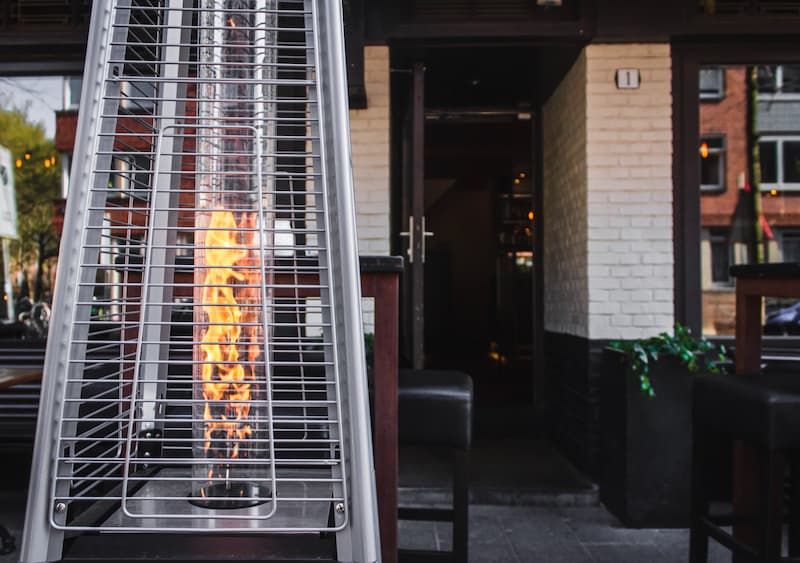
Outdoor Heater Safety Features
Modern patio heaters are designed with a range of built-in safety features. When selecting a unit, always look for models that meet recognised UK safety standards and carry the appropriate CE or UKCA marking.
Features to consider include:
Flame Protection
Many gas patio heaters include tempered glass tubing or enclosed flame systems. These designs reduce exposure to open flames and help lower fire risk.
Anti Tilt Mechanism
A weighted base improves stability, particularly in busy commercial settings. Some heaters are fitted with automatic shut-off sensors that cut the gas supply if the unit is knocked or tipped.
Flame Failure Device
Also known as a thermocouple, this safety device automatically shuts off the gas supply if the flame is extinguished, preventing a buildup of gas.
Certified Safety Standards
Always choose heaters tested to UK safety regulations. Commercial venues should ensure appliances comply with Gas Safety regulations and are suitable for the intended environment.
Suitable Location and Installation
Correct positioning is essential for safe operation.
Place heaters well away from flammable materials such as parasols, timber fencing, artificial foliage and outdoor cushions. Maintain the clearance distances stated in the manufacturer’s instructions.
Gas-powered heaters must only be used in well-ventilated outdoor areas. They should never be operated in enclosed spaces, such as marquees, without adequate ventilation, as this increases the risk of carbon monoxide buildup.
For commercial premises, installation and connection to gas supplies should be carried out by a Gas Safe registered engineer where required. This is particularly important for fixed natural gas systems.
Position heaters on stable, level surfaces such as concrete or paving slabs. Avoid soft ground or decking unless the heater is specifically designed for that surface.
Maintenance
Regular maintenance extends your heater’s life and ensures safe operation.
Before each season:
- Inspect hoses and connections for signs of wear or cracking
- Clean burner ports and vents to remove dust or debris
- Check that reflectors and emitters are securely fitted
- Ensure fixings such as nuts and bolts are tightened
If the heater has been stored for several months, clean it thoroughly before use. Remove covers carefully and follow the manufacturer’s guidance for safe reassembly.
For commercial settings, annual servicing by a qualified engineer is advisable, particularly for gas appliances used frequently during autumn and winter.
Fuel Safety
Gas patio heaters commonly use propane cylinders or are connected to natural gas supplies. Safe handling is vital.
Keep gas cylinders upright and stored in well-ventilated outdoor areas. Never store them indoors or near heat sources. Always turn off the gas supply at the valve when the heater is not in use.
To check for leaks, apply soapy water to connections and watch for bubbles. If a leak is suspected, do not ignite the heater and seek professional advice.
Businesses must comply with UK Gas Safety regulations and ensure that all gas appliances are properly maintained and, where required, recorded.
Children and Public Safety
In hospitality venues and family homes, heaters should be positioned to reduce the risk of accidental contact.
Maintain a safe perimeter around the unit, especially in high footfall areas. Consider protective barriers in commercial environments. Staff should be briefed on safe operation and emergency procedures.
Never leave heaters unattended while in operation.
Local Regulations
Certain local authorities in the UK may impose restrictions on the use of fire pits or solid-fuel burners, particularly in smoke-control areas. It is advisable to check with your local council before installing wood-burning fire pits or chimineas.
For commercial premises, fire risk assessments should include outdoor heating equipment. Compliance with the Regulatory Reform (Fire Safety) Order remains essential for businesses in England and Wales.
During periods of extreme heat or drought, temporary restrictions may apply to open flames. Always stay informed of local guidance.
Weather Protection and Stability
British weather can be unpredictable. Wind exposure can affect both safety and performance.
Choose heaters with stable bases and appropriate weather-resistant finishes. Stainless steel and powder-coated aluminium offer improved durability in outdoor environments.
In exposed areas, additional weighting may be required to prevent movement. If winds are particularly strong, it is safer to switch off the heater until conditions improve.
Protective covers help prevent corrosion and debris buildup when the unit is not in use.
Safe Movement and Storage
Portable patio heaters should only be moved once they are fully switched off and completely cool. Attempting to move a heater while it is hot poses a risk of burns and structural damage.
When storing heaters for extended periods, disconnect gas cylinders and store them separately in accordance with safety guidance. Keep all components clean and dry.
Choosing The Right Patio Heater
Selecting a suitable heater ensures both comfort and efficiency. Consider the size of the outdoor space and the required heat output. Output is typically measured in British Thermal Units. A heater producing around 5,000 to 13,000 BTUs is common for small to medium outdoor areas, while larger commercial terraces may require higher output models or multiple units.
Freestanding mushroom-style heaters, pyramid heaters and wall-mounted infrared heaters each offer different coverage and visual appeal. The right choice depends on layout, footfall and intended atmosphere.
Reliable Outdoor Choices
Outdoor heating plays an important role in extending the use of terraces, beer gardens and restaurant patios throughout the year. Safe installation, regular maintenance and adherence to UK regulations ensure your space remains both welcoming and compliant.
At BE Furniture Sales, we supply a carefully selected range of garden furniture and outdoor solutions suitable for cafés, pubs, restaurants, hotels and private gardens across the UK. From durable outdoor tables and chairs to practical accessories that enhance comfort, our collections are chosen for quality, longevity and value.
If you are upgrading your outdoor seating area, explore our range of garden furniture designed to withstand British weather while maintaining a professional, stylish appearance.
Related Articles
- Year Round Garden Furniture
- Transform Outdoor Cafe Spaces with Smart Shade Solutions
- How to Clean Green Algae Off Garden Furniture
- Weatherproof Round Table Tops Ideal for Indoor and Outdoor Use
- Protect, Store and Maintain Wooden Garden Furniture
Prefer an AI Summary?