The UK restaurant industry heads into 2026 facing one of its most defining periods in decades. The post-pandemic years were dominated by recovery, rebuilding confidence and reopening doors. The next phase is different. This is no longer about bouncing back. It is about reshaping businesses to survive in a leaner, more demanding operating environment.
Structural pressures are replacing short-term disruption. Costs are rising faster than revenues, consumer habits have shifted permanently, and regulation is tightening. Yet within this pressure lies opportunity for operators willing to adapt, refine, and focus.
A Sector Entering a New Phase
By 2026, the restaurant industry will no longer be reacting to crises but adjusting to a new normal. Demand has not disappeared, but it has become more selective. Diners are eating out less frequently and expecting more from every visit.
This shift is forcing operators to look closely at fundamentals. Space, staffing, layout, menu size and service speed are all under scrutiny. The businesses that endure will be those that understand efficiency as a strategic advantage rather than a compromise.
Structural Pressures Reshaping Restaurants
1.Rising Wage Costs
Labour remains one of the most significant pressures facing UK restaurants. From April 2026, the minimum wage increase for 18 to 20 year olds to £10 per hour will trigger a wage cascade across teams.
For a sector heavily reliant on younger staff, this change is driving difficult decisions. Many operators are already responding by trimming opening hours, reducing covers or simplifying service models. Staffing is no longer a flexible cost that can expand and contract easily. It is becoming a fixed constraint that shapes the entire operation.
2. Persistent Food Inflation
While headline inflation has eased, food inflation remains unpredictable. Key ingredients such as beef and imported produce continue to fluctuate due to trade tariffs and supply chain disruption.
This volatility makes long-term pricing difficult and increases risk for menus built around fixed price offers. Restaurants with shorter menus, flexible sourcing and adaptable pricing structures are better placed to absorb these shifts without eroding margins.
3. Property and Operational Costs
Rent, business rates and energy costs remain elevated across much of the UK. For many restaurants, property-related expenses now account for a larger share of turnover than at any point in the past decade.
This reality underscores the importance of space efficiency. Underperforming floor space is no longer affordable. Every square metre must contribute to revenue, whether through seating density, table turnover or flexible use across the trading day.
4. Sustainability and Compliance
Sustainability is no longer optional or purely reputational. Regulations such as the Simpler Recycling initiative require businesses with more than 10 staff to separate food waste.
While these measures support long-term environmental goals, they introduce additional operational complexity. Space for waste management, staff training and ongoing compliance all carry costs. Restaurants that plan for sustainability as part of their layout and workflow will be better prepared than those that are forced to retrofit.
The Changing Shape Of Consumer Demand
1. Value Driven Dining
Consumers are not abandoning eating out; they are more deliberate. The days of casual, frequent dining without clear value are fading. Instead, diners are prioritising experiences that feel worthwhile, whether through quality, comfort or atmosphere.
This trend places pressure on restaurants to justify their price points clearly. Value is no longer defined by portion size alone, but by the overall experience delivered.
2. The Hollowed Out Middle
One of the most apparent shifts heading into 2026 is the erosion of the mid-market. Casual dining chains and mid-priced independents are being squeezed from both ends.
At one end, high-quality quick-service and fast-casual concepts offer affordability and consistency. At the other end, premium and experiential venues provide something memorable worth saving for. The middle ground, once considered safe, is becoming increasingly risky without strong differentiation.
Clear positioning is now essential. Being broadly appealing is less effective than being clearly defined.
Growth Areas Defying The Gloom
Despite the challenges, parts of the market are showing resilience and growth.
1. Affordable Luxury Experiences
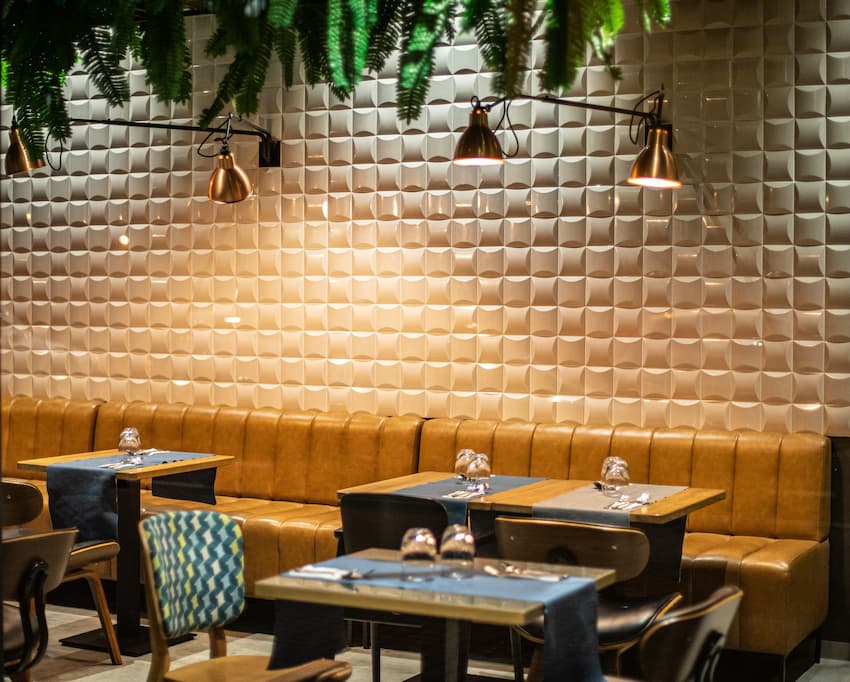
Affordable luxury is emerging as a powerful trend. Diners are willing to pay slightly more for environments that feel considered, comfortable, and well-designed.
Interior quality, seating comfort and overall layout play a significant role in perceived value. Restaurants that invest in atmosphere without moving into fine dining pricing are seeing stronger loyalty and repeat visits.
2. Experiential Dining Models
Dining is increasingly about more than food. Experiences that engage customers socially and emotionally are gaining traction.
This includes interactive concepts, themed environments and venues designed to encourage longer stays or shared experiences. The meal itself remains central, but it is no longer the sole reason to visit.
3. London and Urban Growth
London continues to stand apart from much of the UK market. Strong international tourism, population growth and investor confidence are driving a net increase in restaurant openings.
Urban density favours flexible concepts that can operate across different day parts, from breakfast and lunch through to evening service. This adaptability is becoming a model for other cities to watch closely.
Operational Shifts Defining 2026
1. Faster Table Turnover
The 90-minute dining window is fast becoming standard. Restaurants are increasingly targeting three table turns per evening to protect margins.
This shift places greater emphasis on layout, flow and furniture selection. Tables, chairs and spacing must support comfort without encouraging excessive dwell times that limit covers.
2. Earlier Dining Patterns
Peak dining times are moving earlier, typically between 6 pm and 7 pm. This cultural shift supports better work-life balance for staff and reduces late-night energy costs.
It also aligns with family dining, commuters and weekday trade, helping smooth demand across the evening rather than concentrating it into a narrow window.
3. Hybrid Hospitality Spaces
Restaurants are evolving into multi-purpose venues. Many now operate as co-working spaces during the day, cafés in the afternoon and social or entertainment-led venues in the evening.
This hybrid approach maximises space utilisation and diversifies revenue streams. Furniture and layout flexibility are central to making these transitions seamless.
Strategic Priorities For Restaurant Operators
As we move into 2026, successful restaurants are likely to focus on a few key priorities.
- Clear positioning over broad appeal
- Efficient layouts designed for speed and comfort
- Furniture chosen for durability, flexibility and space optimisation
- Operating models built around realistic staffing levels
Every decision must prioritise resilience over expansion for its own sake.
Realism and Opportunity
The UK restaurant industry is not collapsing, but it is consolidating around smarter, leaner models. The operators that thrive in 2026 will be those willing to question old assumptions and adapt to new realities.
This is a period that rewards clarity, efficiency and experience. Restaurants that align their space, service and offer around these principles will be better equipped to navigate the challenges ahead.
Building Resilient Restaurants For 2026
The road into 2026 is demanding, but it is not without opportunity. By focusing on efficiency, adaptability and experience, restaurants can build businesses that are fit for the future.
For operators, suppliers, and partners alike, the emphasis is shifting toward practical solutions that improve performance. Thoughtful design, durable commercial furniture and flexible layouts are no longer aesthetic choices. They are commercial ones.
The restaurants that recognise this shift will be best placed to succeed in the years ahead.
Related Articles
- Eight Restaurant Trends for 2026
- Rise in Restaurant No Shows and How to Reduce Them
- Gets the Basic Right Before Opening a Restaurant
- Survival Strategies for Cafes and Restaurants in Today’s Economy
- Mistakes to Avoid When Buying Restaurant Furniture
Prefer an AI Summary?