Planning the layout and furniture for a restaurant or café can feel overwhelming at first. From table sizes to seating arrangements, every detail affects the customer experience, staff efficiency, and the overall appearance of your venue.
Whether you are opening a new business or refurbishing an existing space, choosing the right commercial furniture helps create a setting that feels comfortable, practical, and suited to your brand.
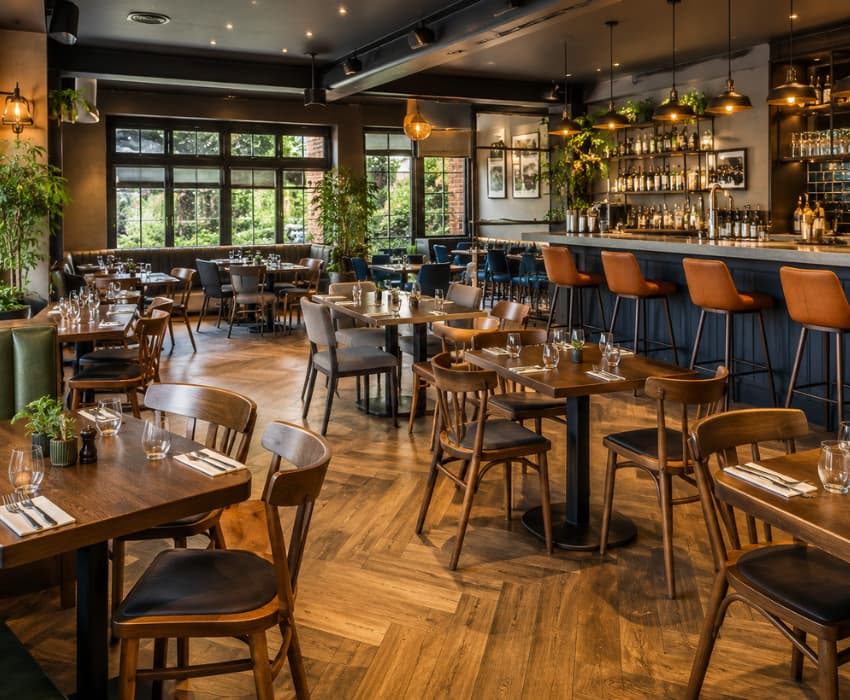
Venue Style
Before choosing furniture, it is important to define the style and purpose of your venue. The atmosphere you create should reflect your menu, pricing, and customer expectations.
Restaurants and cafés generally fall into several broad categories:
- Fast food and takeaway venues
- Casual cafés and bistros
- Family friendly restaurants
- Premium dining spaces
- Bars and hospitality venues
- Banqueting and event venues
Each type of venue has different furniture requirements. A busy café may need compact, wipe-clean tables with flexible seating, while a fine-dining restaurant may prioritise comfort, ambience, and premium finishes.
Budget Planning
Setting a realistic budget early in the process helps narrow down your furniture options and prevents overspending later.
Commercial furniture should always balance appearance, durability, and value. Lower-cost furniture may suit smaller independent cafés or temporary refurbishments, while premium venues often invest in higher-specification materials designed for years of heavy use.
It is also worth considering practical factors such as:
- Maintenance requirements
- Ease of cleaning
- Replacement availability
- Stackable or folding options
- Indoor or outdoor suitability
Commercial furniture often proves more cost-effective over time because it is designed to withstand daily use in busy hospitality settings.
Table Sizes and Layouts
One of the most common questions restaurant owners ask is how to choose the correct table sizes.
The answer depends on your available floor space, customer turnover, and dining style.
Smaller tables work well in cafés and casual dining venues where flexibility is important. They can easily be rearranged for couples or larger groups. Larger restaurants often combine a variety of table sizes to maximise seating without making the space feel crowded.
As a general guide:
- Two person tables suit compact cafés and smaller dining areas
- Four person tables provide the most versatile layout option,/li>
- Round tables encourage conversation and work well in event venues
- Larger rectangular tables suit family dining and group bookings
Allowing enough space between tables is equally important. Customers should feel comfortable without feeling cramped, and staff need clear walkways for efficient service.
Seating Capacity
A planned layout improves both customer comfort and operational efficiency. Trying to fit too many tables into a venue can make the space feel crowded and difficult to navigate.
Consider allowing enough room for:
- Staff movement between tables
- Wheelchair and pushchair access
- Customers entering and leaving seats comfortably
- Queue management near entrances or service counters
A balanced layout creates a more enjoyable dining experience and often encourages customers to stay longer.
Accessibility
Accessibility should always form part of your furniture planning. Comfortable access throughout the venue benefits all customers and helps create a more welcoming environment.
Points to consider include:
- Clear walkways between tables
- Stable tables and seating
- Accessible table heights
- Space for wheelchair users
- Easy access to entrances and facilities
Flexible layouts can also help venues accommodate different customer requirements throughout the day.
Fast Food Restaurants
Fast-food venues rely on speed, practicality, and ease of maintenance. Furniture should support high customer turnover while remaining comfortable enough for short visits.
Durable materials and wipe-clean surfaces are essential in these environments. Many operators choose laminate table tops, metal frames, and stackable seating for ease of cleaning and flexibility.
Larger chains may also integrate technology into their furniture layouts, including built-in charging points or ordering systems.
Bright lighting and open layouts help create an efficient atmosphere that encourages quick service.
Family Restaurants
Family friendly restaurants benefit from warm, welcoming interiors that encourage customers to relax and spend time together.
Furniture should be durable enough for regular use while remaining comfortable for adults and children alike.
Wooden tables remain a popular choice because they suit both traditional and contemporary interiors. Bench seating is also commonly used in family dining spaces as it provides flexibility for larger groups.
Comfortable seating, practical layouts, and easy access for pushchairs all contribute to a positive customer experience.
Fine Dining Spaces
In fine dining environments, furniture plays a major role in shaping the overall atmosphere.
Customers expect comfort, quality, and attention to detail throughout the venue. Materials and finishes are often chosen to complement the menu and interior design concept.
Natural wood, upholstered seating, marble-effect tabletops, and carefully selected lighting all contribute to a more refined setting.
Lighting is especially important in premium dining spaces. Softer lighting creates a relaxed atmosphere, while focused table lighting improves comfort and presentation.
Table spacing should also allow for privacy and a more exclusive dining experience.
Steakhouse Interiors
Steakhouses often combine traditional materials with bold design features to create a warm and characterful setting.
Dark wood finishes, leather seating, booth arrangements, and low lighting are commonly used to create a relaxed yet premium atmosphere.
These venues are typically divided into separate areas, including:
- Main dining spaces
- Bar areas
- Waiting areas
- Private dining sections
Furniture should feel substantial and durable while complementing the rich textures and colours often associated with steakhouse interiors.
Banqueting and Event Venues
Event venues require furniture that is practical, versatile, and easy to store between functions.
Round banqueting tables are commonly used for weddings and formal occasions, while rectangular trestle tables remain popular for conferences and corporate events.
Neutral furniture finishes work particularly well in multi-purpose venues because they can adapt to a wide range of themes and decorations.
Stackable banqueting chairs are often preferred for storage efficiency and quick room changes between events.
Venue size should always guide furniture selection to ensure layouts remain comfortable without limiting capacity.
Casual and Upscale Dining
Casual dining venues typically focus on comfort and flexibility. Customers expect a relaxed atmosphere with practical seating and easy-to-maintain surfaces.
Compact bistro tables, wipe-clean finishes, and lightweight seating are all popular choices for cafés and informal dining spaces.
Upscale restaurants, on the other hand, place greater emphasis on presentation and ambience. Furniture is often selected to create a more luxurious experience, with polished wood finishes, upholstered chairs, and statement table tops commonly featured throughout the space.
Rather than prioritising quick turnover, premium venues aim to encourage guests to relax and enjoy a longer dining experience.
Indoor and Outdoor Furniture
Many hospitality venues now combine indoor and outdoor seating areas to maximise customer capacity throughout the year.
Commercial outdoor furniture should be designed to withstand changing weather conditions while remaining comfortable and visually consistent with the rest of the venue.
Popular outdoor furniture materials include:
- Aluminium
- Synthetic rattan
- Powder coated steel
- Treated wood
- Polypropylene seating
Stackable outdoor furniture can also help simplify storage during colder months or in poor weather.
Material Choices
The materials used throughout your venue will affect durability, maintenance, and overall appearance.
Wood remains one of the most popular choices for hospitality interiors because it creates warmth and character. Laminate surfaces are widely used in busy cafés and fast food venues because they are easy to clean and highly durable.
Metal-framed seating offers excellent strength for high-traffic environments, while upholstered chairs provide additional comfort for longer dining experiences.
Choosing the right materials helps ensure your furniture remains practical as well as visually appealing.
Durability and Maintenance
Commercial furniture needs to withstand constant daily use. Choosing contract furniture helps ensure your investment performs well over time.
Practical features to consider include:
- Scratch resistant table tops
- Easy clean finishes
- Reinforced frames
- Replaceable components
- Stackable seating options
Regular cleaning and maintenance also help extend the lifespan of commercial furniture, particularly in busy restaurants and cafés.
Branding and Interior Style
Furniture should support the overall identity of your business. A consistent design style helps create a memorable experience for customers and strengthens your brand image.
Popular hospitality interior styles include:
- Industrial
- Rustic
- Contemporary
- Scandinavian inspired
- Traditional pub interiors
- Boutique dining spaces
Choosing furniture that complements your lighting, flooring, and décor creates a more cohesive environment.
Seasonal Flexibility
Flexible furniture layouts can help hospitality venues adapt throughout the year.
During busy periods, additional seating may be required for larger groups or special events. Quieter months may benefit from more open layouts that create a relaxed atmosphere.
Folding tables, stackable chairs, and modular seating solutions make it easier to reconfigure spaces as needed.
This flexibility is particularly valuable for cafés, event venues, hotels, and multi-use hospitality spaces.
Lighting and Atmosphere
Furniture and lighting should always work together to create the right mood for your venue.
Bright lighting suits fast-paced environments such as cafés and quick-service restaurants. Softer dimmable lighting creates a more intimate feel for premium restaurants and bars.
Decorative touches can also improve the overall atmosphere. Plants, artwork, mirrors, and carefully chosen accessories help make a venue feel more welcoming without overwhelming the space.
The goal is to create an environment that feels comfortable, practical, and visually consistent with your brand.
Commercial Standards
Commercial furniture is designed differently from domestic furniture because it needs to withstand far heavier use.
Many hospitality venues choose furniture that meets recognised commercial standards for durability and fire safety. Upholstered seating is often specified with Crib 5 fabrics, particularly in restaurants, hotels, and public venues.
Investing in commercial furniture provides greater reliability and performance in busy hospitality environments.
Planning Your Restaurant Furniture
Choosing the right commercial furniture is about more than appearance alone. Layout, comfort, durability, and practicality all contribute to the overall customer experience.
Well chosen furniture helps support staff efficiency, reflects your brand identity, and creates an environment that encourages customers to return.
Taking time to plan your layout carefully can improve both the appearance and functionality of your venue for years to come.
Commercial Furniture at BE Furniture Sales
At BE Furniture Sales, we supply commercial furniture for cafés, restaurants, pubs, hotels, event venues, and hospitality businesses across the UK.
Our ranges combine style, durability, and practicality to suit both modern and traditional interiors. From restaurant tables and dining chairs to banqueting furniture and outdoor seating, we provide commercial furniture designed for busy hospitality environments.
Whether you are furnishing a compact café, refurbishing a restaurant, or planning a large venue fit-out, our team can help you choose furniture that complements your space while meeting the demands of everyday commercial use.
Related Articles
- New Outdoor Commercial Chairs for 2026
- Commercial Bar Furniture
- Distressed Commercial Furniture Wholesale
- Budget Aluminium Chairs For Outdoor Café Seating
- Plastic Café Furniture Sets For Everyday Commercial Use
Prefer an AI Summary?