The UK restaurant industry enters 2026 facing pressures that feel fundamentally different from those of recent years. The post-pandemic period was about reopening and rebuilding confidence. The next phase is about recalibration.
Costs are structurally higher, consumer behaviour has shifted, and regulation is tightening. Against this backdrop, restaurant trends are no longer driven by novelty alone. They are shaped by survival, efficiency and relevance. Some of these trends will feel familiar, but they have evolved. Others arrive from unexpected cultural shifts rather than hospitality itself.
Together, they reveal an industry redefining its priorities.
The Standard Trends Evolved for 2026
1. The GLP-1 Menu
Smaller appetites are now a mainstream reality. With millions of people in the UK using GLP-1 weight loss medications, restaurants have stopped designing menus around the assumption of large portions.
In 2026, the response goes beyond half portions. Menus increasingly feature compact, nutrient-dense dishes built around protein, fibre and flavour. These plates deliver satisfaction quickly, aligning with faster dining patterns while reducing food waste.
For operators, this shift supports margin control and menu efficiency. For diners, it offers value without excess. The result is a menu style that reflects changing physiology as much as changing preferences.
2. 90-Minute Power Sittings
The traditional two-hour dinner is becoming a luxury rather than a norm. Rising wage costs, energy prices and business rates have forced the mid-market to rethink table economics.
By 2026, the 90-minute sitting has become standard across many segments. This is not about rushing guests out of the door. It is about designing service, menus and layouts that naturally fit a shorter window.
Pre-ordering for larger parties, simplified set menus, and efficient service flow help restaurants achieve multiple table turns without damaging the guest experience. Space planning and furniture layout play a central role in making this feel comfortable rather than transactional.
3. Regional Flavours Less Travelled
Global cuisine is no longer enough to excite diners. Korean and Japanese food is now familiar across the UK, and broad fusion concepts are losing impact.
In 2026, interest has shifted towards hyper-regional authenticity. Diners are seeking specific cuisines rooted in place rather than generalised world menus. Malaysian laksa from particular regions, Peruvian Nikkei cuisine, West African stews, and Bahian dishes from Brazil are gaining attention.
This trend favours focused concepts over broad offerings. Restaurants that commit to a clear culinary identity are better positioned to stand out and build loyalty.
4. The Low Carbon Mandate
Sustainability has moved from aspiration to obligation. New waste and recycling regulations mean that environmental compliance is now a daily operational concern for most restaurants.
Food waste separation, energy efficiency and responsible sourcing are no longer optional extras. They are factors that influence insurance costs, supplier relationships and long-term viability.
As a result, practical sustainability is replacing green marketing. Whole-ingredient usage, zero-waste drinks programmes, and durable equipment choices are becoming standard practice, driven by necessity rather than image.
The Unusual Trends Shaping 2026
1. Dopamine Decor
Minimalism has reached saturation. After years of digital overload and home working, diners want environments that feel distinctly different from their everyday spaces.
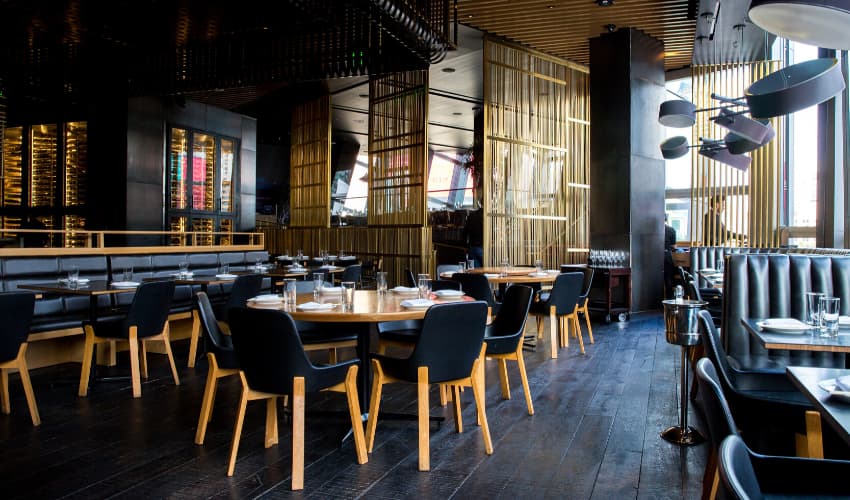
In 2026, theatrical maximalism is returning to restaurant interiors. Bold colours, layered textures, expressive lighting and statement furniture are being used to create immersive environments.
The aim is not subtlety. It is memorable. Restaurants are increasingly designed to stimulate the senses and evoke emotional responses that cannot be replicated at home.
2. Functional Bitterness
Palates are evolving. The sweet-and-spicy combinations that dominated menus for years are giving way to bitterness and umami.
Chefs are using ingredients such as radicchio, endive, chicory and charred greens as centrepieces rather than garnishes. Desserts are also changing, incorporating elements such as miso, black garlic, and hops to create savoury depth.
This movement reflects a growing preference for complexity and perceived functional benefits over sugar-driven indulgence.
3. AI Audio Menus and Sonic Branding
The most impactful technology shift in 2026 is not automation on the floor. It is sound.
Restaurants are beginning to use AI-driven audio systems to manage the atmosphere dynamically. Directional speakers enable distinct sound profiles across the same space, supporting both lively social dining and quiet conversation.
AI voice assistants are also handling bookings with consistency and warmth, reducing pressure on front-of-house teams. This technology improves experience without increasing labour costs, making it particularly attractive in a high-wage environment.
4. The Breakfast DJ
One of the most unexpected trends of 2026 is the shift of social energy into the morning.
With younger generations drinking less alcohol, nightlife culture is changing. In its place, morning-focused social experiences are emerging. Upmarket cafés are hosting alcohol-free dance breakfasts, combining music, coffee, and community from the early hours.
These venues operate as cafés, workspaces and social hubs throughout the day. It is a clear example of hybrid hospitality driven by cultural change rather than traditional dining habits.
Marmite Comes to Mind with this One
What These Trends Mean For Restaurants
The restaurant industry in 2026 is not chasing every new idea. It is selecting the trends that support resilience.
Clear positioning, efficient layouts, durable furniture and flexible spaces are becoming commercial necessities rather than design preferences. Restaurants that understand this are better equipped to adapt to tighter margins and shifting demand.
For suppliers and partners, the focus is on practical solutions that help operators make better use of space, support faster service and deliver experiences that justify the visit.
A More Intentional Era Begins
The trends shaping 2026 reveal an industry becoming more deliberate and more focused. Growth is no longer driven by expansion alone, but by more innovative use of space, sharper concepts and stronger experiences.
Restaurants that align their environment, service and offer with these realities are more likely to succeed in the years ahead. In a sector under pressure, intention has become the most valuable asset.
Related Articles
- Hotel Furniture Trends
- Turn Your Coffee Shop Customer into Regular Customers
- Coffee Shop Chairs for the Cost-Conscious Owner
- Rise in Restaurant No Shows and How to Reduce Them
- What Next for The Restaurant Industry in 2026
Prefer an AI Summary?